Top 5 Myths About Yoga and Pilates Debunked


Understanding the Truth Behind Yoga and Pilates
Yoga and Pilates have been gaining immense popularity worldwide for their numerous health benefits. However, with popularity comes a fair share of misconceptions. Let's delve into some of the common myths surrounding these practices and set the record straight.
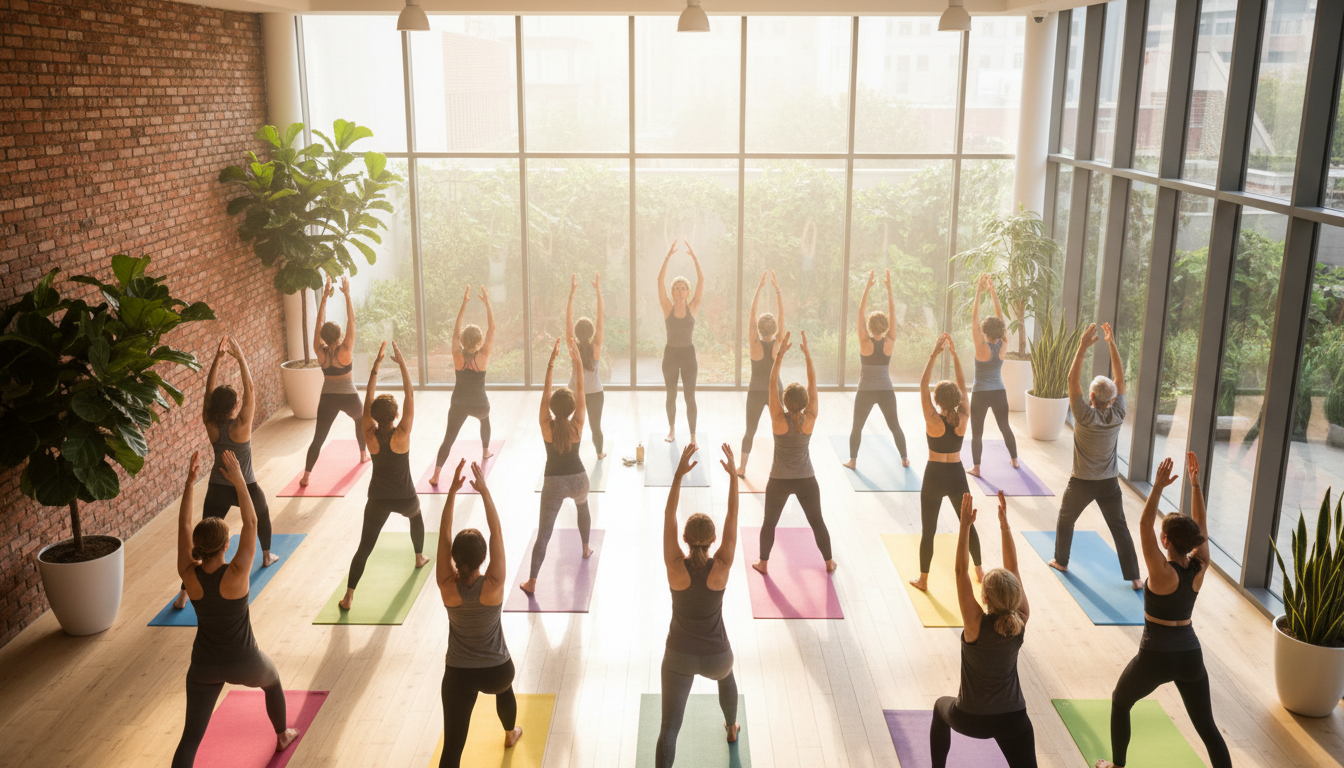
Myth 1: Yoga and Pilates Are the Same
While both yoga and Pilates focus on mind-body connection and flexibility, they are distinct practices. Yoga is an ancient practice rooted in spiritual traditions, incorporating meditation, breathing exercises, and various postures. Pilates, on the other hand, was developed in the early 20th century and emphasizes core strength, alignment, and controlled movement.
Understanding these differences can help you choose the practice that best suits your fitness goals and personal preferences.

Myth 2: You Need to Be Flexible to Start
One of the most pervasive myths is that you must be flexible to begin yoga or Pilates. In reality, these practices are designed to enhance flexibility and strength over time. Beginners are encouraged to start at their own pace, gradually increasing their flexibility as they become more comfortable with the movements.
Remember, both practices are about personal growth and progress, not competition.
Myth 3: Yoga and Pilates Are Only for Women
Despite common stereotypes, yoga and Pilates are beneficial for everyone, regardless of gender. Many men practice these disciplines to improve flexibility, strength, and mental focus. Professional athletes across various sports have incorporated yoga and Pilates into their training routines to enhance performance and prevent injuries.

Myth 4: Pilates Is Only About Core Strength
While Pilates is renowned for its focus on core strength, it offers much more. Pilates exercises target multiple muscle groups, promoting overall body strength, balance, and coordination. It also emphasizes proper breathing and alignment, making it a comprehensive workout for the entire body.
By incorporating a variety of exercises, Pilates can help improve posture and physical endurance.
Myth 5: Yoga Is Just Stretching
Yoga is far more than simple stretching. It is a holistic practice that integrates physical, mental, and spiritual elements. Through a combination of postures, breathing techniques, and meditation, yoga aims to cultivate mindfulness and inner peace. It can also improve strength, balance, and flexibility, making it a well-rounded approach to wellness.
Embracing the full spectrum of yoga's offerings can lead to profound personal transformation.
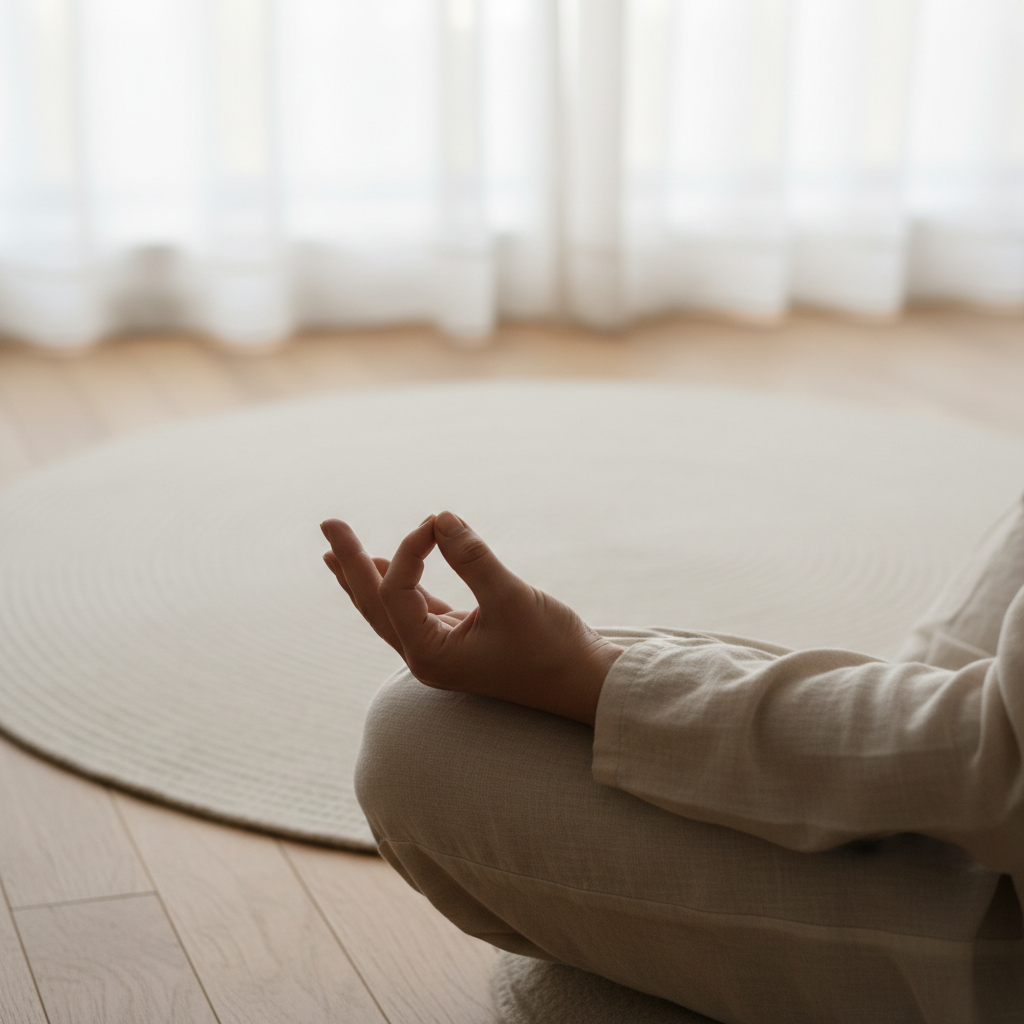
In conclusion, understanding the true nature of yoga and Pilates can help dispel these myths and encourage more people to explore their benefits. Whether you're looking to enhance your physical fitness or find a path to inner peace, both practices offer valuable tools for personal development.